Baked Cod with Lemon-Dill Sauce
Tender, flaky baked cod fillets topped with a bright, creamy lemon-dill sauce. Light, healthy, and full of fresh flavors perfect for weeknight dinners.

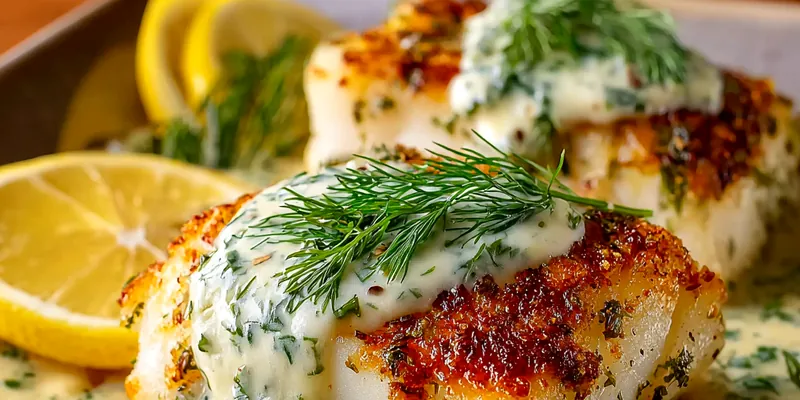
The Art of Perfect Baked Fish
Achieving perfectly baked cod requires understanding the delicate nature of this lean fish. The key is gentle cooking at the right temperature with just enough moisture to prevent drying out. A light coating of olive oil creates a protective barrier while allowing the fish to cook evenly.
The timing is crucial with cod - overcooking will result in a dry, tough texture. The fish is done when it flakes easily with a fork and reaches an internal temperature of 145°F. The residual heat will finish the cooking process during the resting period.
💡 Professional Tip
Pat the cod completely dry before seasoning to ensure proper browning and prevent the fish from steaming in its own moisture. Room temperature fish cooks more evenly than cold fillets.
Frequently Asked Questions
Cod is done when it flakes easily with a fork and is opaque throughout. The internal temperature should reach 145°F (63°C). It should not be translucent or mushy.
Yes, the lemon-dill sauce can be made up to 2 days ahead and stored in the refrigerator. The flavors actually improve over time. Stir before serving.
You can substitute with 1 tablespoon of dried dill, but fresh dill provides much better flavor and color. Fresh parsley or chives work as alternatives.
Yes, but thaw completely and pat very dry. Frozen cod may release more moisture during cooking, so you might need to extend the baking time slightly.
Haddock, halibut, or sea bass work wonderfully. Adjust cooking time based on thickness - thicker fillets need a few extra minutes.
Yes, this recipe is naturally gluten-free. Just ensure your seasonings and capers don't contain any gluten-containing additives.
Greek yogurt is preferred for its thickness and tanginess, but regular yogurt works. Strain it for 30 minutes to remove excess water for better consistency.
Store cooked cod and sauce separately in the refrigerator for up to 2 days. Reheat fish gently in a 300°F oven for 5-8 minutes to avoid overcooking.
Recipe Troubleshooting Guide
Dry Fish
Problem: Cod turns out dry and flaky
Solution: Don't overcook - check early and often. Use a meat thermometer for accuracy. Brush with more olive oil before baking.
Watery Sauce
Problem: Lemon-dill sauce is too thin
Solution: Use thick Greek yogurt and drain if necessary. Add sauce ingredients gradually and adjust consistency with more yogurt if needed.
Fishy Taste
Problem: Cod has a strong fishy flavor
Prevention: Ensure cod is very fresh - it should smell like the ocean, not fishy. Soak in milk for 20 minutes before cooking to reduce any strong flavors.
Uneven Cooking
Problem: Some parts of fillet cook faster than others
Recovery: Choose fillets of uniform thickness, or fold thin tail ends under. Arrange thicker pieces toward the outside of the baking dish.
Sauce Too Tart
Problem: Lemon-dill sauce is too acidic
Prevention: Balance with more Greek yogurt or a pinch of sugar. Taste and adjust lemon juice gradually - you can always add more but can't take it away.
Flavor Balance Issues
Too Sweet: Add a squeeze of lemon juice or a pinch of white pepper
Too Salty: Balance with more yogurt or a touch of honey
Bland: Increase fresh dill, add more lemon zest, or include additional garlic
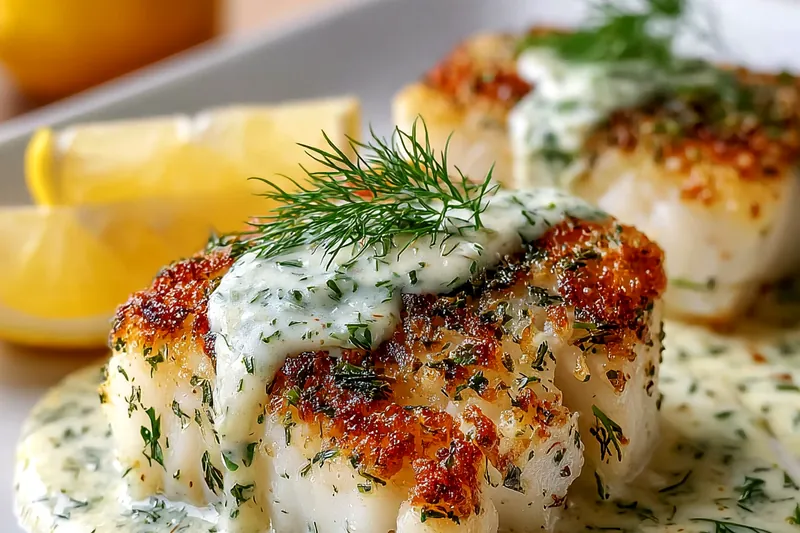
Selecting Quality Cod
Fresh cod should have a clean, ocean-like smell without any fishy odors. The flesh should be firm, white, and translucent with no browning or dry edges. If buying frozen, ensure there are no ice crystals or signs of freezer burn.
Sustainable sourcing is important with cod. Look for wild-caught Atlantic or Pacific cod from certified sustainable fisheries. The fillets should be of uniform thickness for even cooking, ideally 1-1.5 inches thick.
Essential Ingredient Notes
- Fresh Cod: Choose firm, white fillets without any brown spots or strong odor. Ask your fishmonger to remove the skin if not already done.
- Greek Yogurt: Use full-fat Greek yogurt for richness and stability. Low-fat versions can make the sauce too thin and less flavorful.
- Fresh Dill: Look for bright green, fragrant dill without yellow or wilted fronds. Store with stems in water like flowers to maintain freshness.
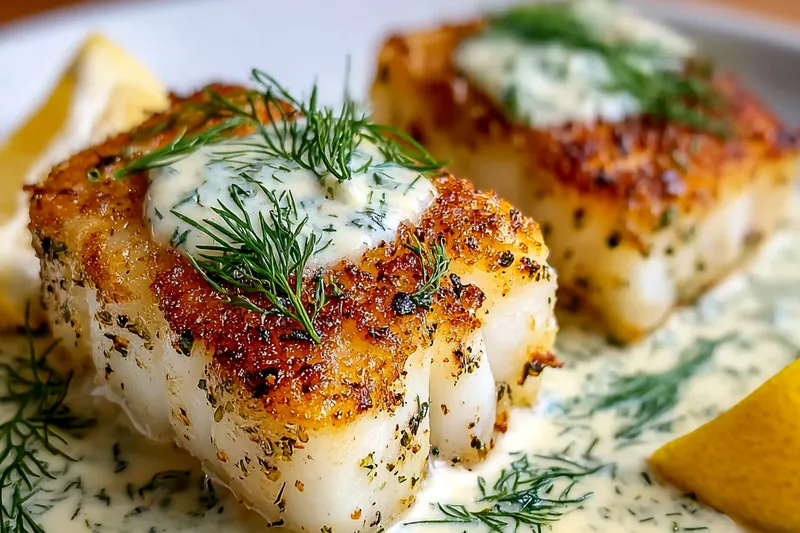
Mastering the Baking Process
The secret to perfect baked cod lies in gentle, even heat and proper timing. Preheating the oven ensures consistent cooking from the start, while positioning the rack in the center promotes even heat circulation around the fish.
The lemon-dill sauce should be prepared while the fish bakes, allowing the flavors to meld. The combination of Greek yogurt and mayonnaise creates the perfect creamy base, while fresh herbs and citrus provide brightness that complements the delicate fish.
Temperature Control
Use a meat thermometer to check doneness - 145°F internal temperature ensures safety while maintaining moisture. The fish will continue cooking slightly after removal from the oven.
Baked Cod with Lemon-Dill Sauce
📋 Ingredients
For the Cod
- 120ml Greek yogurtFull-fat for best texture and flavor
- 60ml mayonnaiseAdds richness and smooth texture
- 30ml fresh lemon juiceBright, fresh citrus flavor
- 15ml lemon zestConcentrated lemon oils for aroma
- 45ml fresh dill, choppedEssential herb for classic pairing
- 15ml capers, drainedAdds briny, tangy flavor bursts
- Fresh dill sprigsFor beautiful garnish
For the Lemon-Dill Sauce
- 680g cod fillets, skin removedFresh, sustainable cod for best results
- 30ml olive oilCreates protective barrier during baking
- 15ml lemon juiceBrightens fish flavor before cooking
- 1 tsp saltEnhances natural fish flavors
- 1/2 tsp black pepperClassic seasoning complement
- 1 tsp garlic powderSubtle aromatic flavor
- 1/2 tsp paprikaAdds color and mild warmth
Instructions
Prepare the Cod
Preheat oven to 400°F (200°C). Pat cod fillets dry and place in a baking dish. Brush with olive oil and lemon juice, then season with salt, pepper, garlic powder, and paprika.
Bake the Fish
Bake for 12-15 minutes, or until fish flakes easily with a fork and reaches an internal temperature of 145°F (63°C). Cooking time depends on thickness of fillets.
Make Lemon-Dill Sauce
While fish bakes, combine Greek yogurt, mayonnaise, fresh lemon juice, lemon zest, chopped dill, minced garlic, capers, and white pepper in a bowl. Mix until smooth.
Check for Doneness
Remove cod from oven when it flakes easily and is opaque throughout. Let rest for 2-3 minutes to retain moisture.
Serve
Transfer cod to serving plates and generously spoon lemon-dill sauce over each fillet. Garnish with fresh dill sprigs and serve with lemon wedges.
Recipe Notes & Tips
Storage
Store cooked cod and sauce separately in the refrigerator for up to 2 days. Reheat fish gently at 300°F to avoid overcooking.
Serving Suggestions
Serve with roasted vegetables, rice pilaf, or a fresh green salad. Crusty bread is perfect for soaking up the delicious lemon-dill sauce.
Variations
Try adding chopped chives or parsley to the sauce, or experiment with different herbs like tarragon. A splash of white wine in the baking dish adds extra flavor.