Creamy Avocado Pasta
Silky smooth avocado pasta with fresh basil, garlic, and lemon. This healthy, dairy-free sauce comes together in minutes for a quick weeknight dinner.

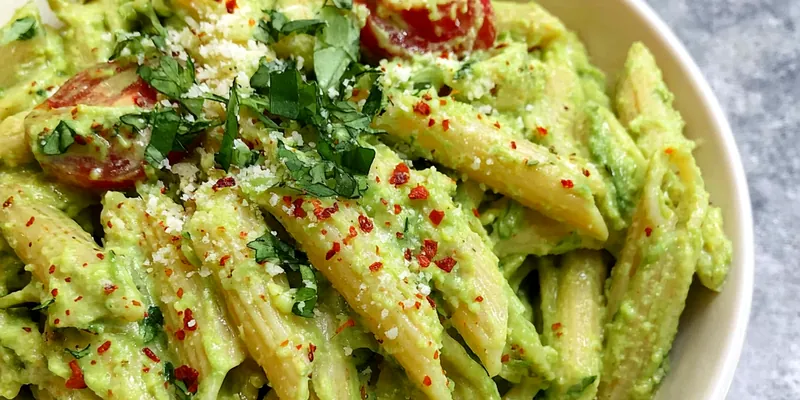
The Magic of Avocado Pasta Sauce
Avocado creates an incredibly creamy pasta sauce without any dairy, butter, or cream. The natural oils and smooth texture of ripe avocados blend into a silky sauce that coats pasta beautifully while providing heart-healthy monounsaturated fats, fiber, and essential nutrients.
The key to perfect avocado pasta lies in using perfectly ripe avocados and balancing the flavors with bright lemon juice, aromatic garlic, and fresh herbs. The pasta cooking water helps achieve the ideal consistency while the heat gently warms the sauce without cooking it.
💡 Professional Tip
Use avocados that yield slightly to pressure but aren't mushy. If your avocados are too firm, let them ripen at room temperature for 1-2 days. Add lemon juice immediately to prevent browning.
Frequently Asked Questions
Ripe avocados should yield to gentle pressure but not feel mushy. The skin may be darker, and they should feel heavy for their size. Avoid avocados with dark spots or overly soft areas.
This is best served immediately as avocados can brown and the sauce may separate. If you must make ahead, press plastic wrap directly onto the sauce surface and refrigerate for no more than 4 hours.
Long pasta like linguine, fettuccine, or spaghetti work beautifully, but penne, rigatoni, or fusilli also hold the sauce well. Choose shapes that will capture the creamy sauce.
Absolutely! Grilled chicken, shrimp, or salmon work well. For plant-based protein, try chickpeas, white beans, or hemp hearts. Add cooked protein when combining pasta and sauce.
This usually happens if avocados aren't ripe enough or if they're overblended. Use very ripe avocados and blend just until smooth. A little texture is actually nice in this sauce.
Avocado sauce doesn't freeze well as it will separate and brown. It's best made fresh, but you can refrigerate leftovers for up to 24 hours with plastic wrap pressed to the surface.
Yes, if you omit the optional Parmesan cheese! The base recipe is completely plant-based and dairy-free. Use nutritional yeast for a cheesy flavor instead.
Toasted walnuts, almonds, sunflower seeds, or pumpkin seeds all work well. You can also omit nuts entirely if you have allergies.
Recipe Troubleshooting Guide
Brown Avocado Sauce
Problem: Avocado sauce turns brown quickly
Solution: Add lemon juice immediately when making sauce, press plastic wrap directly onto surface when storing, and serve as soon as possible after making.
Sauce Too Thick
Problem: Avocado sauce is too thick and doesn't coat pasta well
Solution: Add pasta cooking water gradually while tossing until you reach desired consistency. The starch in pasta water helps create silky texture.
Bland Flavor
Problem: Pasta tastes bland despite following recipe
Prevention: Taste and adjust seasoning - add more salt, lemon juice, or garlic. Fresh herbs make a big difference. Don't forget to salt pasta water generously.
Sauce Separates
Problem: Avocado sauce looks curdled or separated
Recovery: This can happen if pasta water is too hot or if sauce sits too long. Blend again briefly, or make fresh sauce if it's been sitting.
Too Garlicky
Problem: Sauce has overwhelming garlic flavor
Prevention: Balance with more lemon juice, add a touch of honey or maple syrup, or dilute with more avocado. Raw garlic is potent, so start with less next time.
Flavor Balance Issues
Too Sweet: Add more lemon juice, salt, or fresh herbs to balance
Too Salty: Add more avocado or a touch of honey/maple syrup
Bland: Increase garlic, lemon juice, salt, and fresh herbs - taste as you go
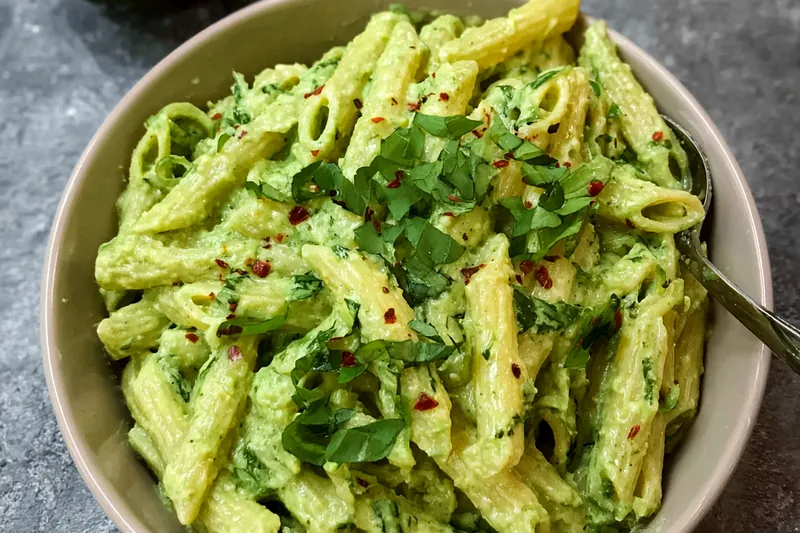
Selecting Perfect Ingredients
The success of this dish depends heavily on ingredient quality, especially the avocados. Choose avocados that are perfectly ripe - they should yield to gentle pressure but not be mushy or have dark spots. The natural creaminess of ripe avocados is what creates the luxurious sauce texture.
Fresh herbs make an enormous difference in flavor. Use bright green basil leaves and fresh parsley rather than dried herbs. The lemon juice should be freshly squeezed for the best bright, acidic balance that prevents browning and enhances all the other flavors.
Essential Ingredient Notes
- Avocado Ripeness: Perfect avocados feel heavy and yield slightly to pressure near the stem end. Avoid ones with dark spots or that feel mushy all over.
- Herb Freshness: Choose bright green basil and parsley with no wilting or dark spots. Store herbs with stems in water like flowers to maintain freshness.
- Pasta Choice: Use high-quality pasta that will hold its shape and texture. The starch from good pasta also helps create a silkier sauce when combined with cooking water.
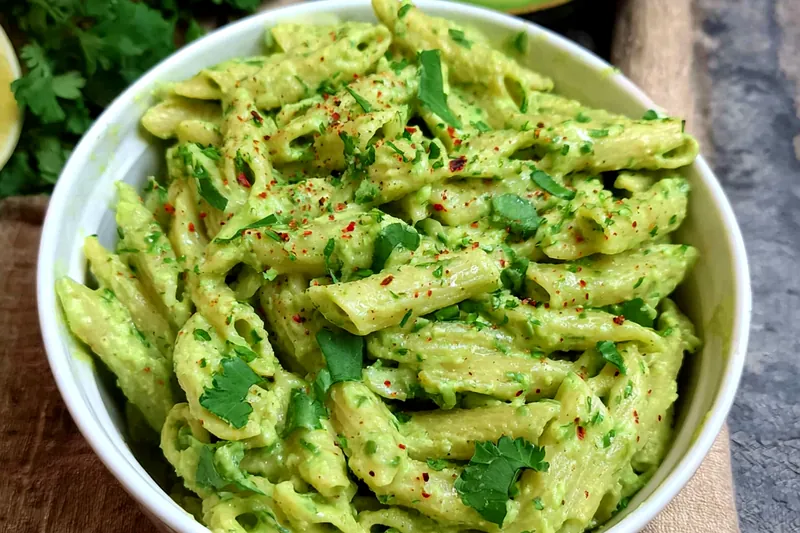
Mastering the Technique
The technique for avocado pasta is deceptively simple but requires attention to timing and texture. The avocados should be blended until completely smooth, and the pasta water plays a crucial role in achieving the perfect consistency - its starch content helps create a silky sauce that clings to the pasta.
Timing is everything with this dish. The avocado sauce should be made while the pasta cooks, and everything should be combined and served immediately. The residual heat from the pasta gently warms the sauce without cooking it, maintaining the fresh, vibrant flavor.
Perfect Sauce Consistency
Add pasta cooking water gradually while tossing - start with 2-3 tablespoons and add more until the sauce coats the pasta smoothly without being too thin or thick.
Creamy Avocado Pasta
📋 Ingredients
For the Pasta
- 3 large ripe avocadosMust be perfectly ripe
- 60ml fresh lemon juicePrevents browning and adds brightness
- 3 cloves garlic, mincedAdjust to taste preference
- 60ml extra virgin olive oilAdds richness and helps blending
- 30g fresh basil leavesPacked measurement for best flavor
- 15g fresh parsleyAdds fresh, bright notes
- 1 tsp saltEssential for flavor balance
For the Avocado Sauce
- 450g pastaLong shapes work best
- 225g cherry tomatoes, halvedAdds color and fresh acidity
- 60g pine nutsToast for enhanced flavor
- 240ml pasta cooking waterReserved for sauce consistency
- 1/2 tsp black pepperFreshly ground preferred
- 1/4 tsp red pepper flakesOptional heat element
Instructions
Cook Pasta
Bring a large pot of salted water to boil. Cook pasta according to package directions until al dente. Reserve 1 cup of pasta cooking water before draining.
Prepare Avocado Sauce
While pasta cooks, halve and pit avocados. In a food processor or blender, combine avocado flesh, lemon juice, minced garlic, olive oil, basil, parsley, salt, and pepper. Blend until smooth and creamy.
Toast Pine Nuts
In a dry skillet over medium heat, toast pine nuts for 2-3 minutes, stirring frequently, until golden brown and fragrant. Set aside.
Combine Pasta and Sauce
In the same pot used for pasta, combine drained pasta with avocado sauce. Toss gently, adding pasta water a little at a time until you reach desired consistency. The sauce should coat the pasta smoothly.
Add Finishing Touches
Add cherry tomatoes and gently fold in. Taste and adjust seasoning with salt, pepper, or lemon juice as needed. Add red pepper flakes if using.
Serve Immediately
Divide among serving bowls and top with toasted pine nuts, grated Parmesan (if using), and fresh basil. Serve immediately with lemon wedges on the side.
Recipe Notes & Tips
Storage
Best served immediately. Leftover sauce can be refrigerated for up to 24 hours with plastic wrap pressed directly to the surface, but quality decreases quickly due to avocado browning.
Serving Suggestions
Serve with crusty bread and a simple green salad. This pairs beautifully with grilled vegetables or as a side to grilled fish or chicken for non-vegetarians.
Variations
Add sun-dried tomatoes, roasted red peppers, or artichoke hearts. Try different nuts like walnuts or almonds. For extra protein, fold in white beans or chickpeas before serving.