Crispy Turkish Fried Anchovies
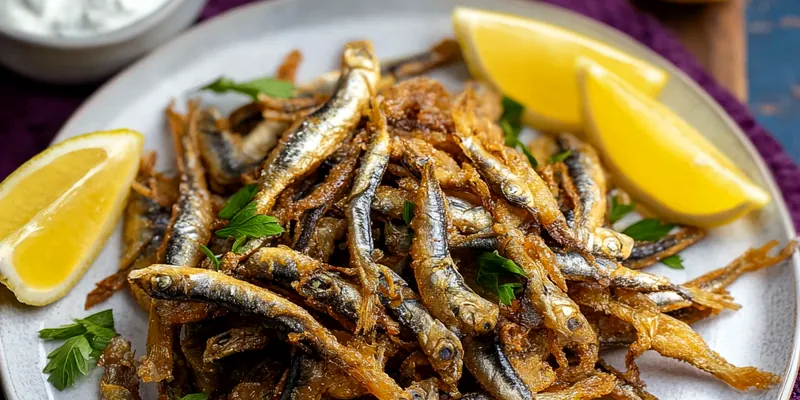
Authentic Turkish hamsi tava - fresh anchovies lightly coated in seasoned flour and fried until golden and crispy. Served with lemon and traditional accompaniments.

The Art of Frying Fresh Anchovies
Frying perfect Turkish anchovies requires understanding the delicate nature of these small fish. Fresh anchovies have tender flesh that can easily become overcooked and dry, so the key is high-temperature frying for a very short time. This creates a crispy exterior while keeping the interior moist and flaky.
The traditional Turkish coating combines flour with fine cornmeal for extra crispiness and authentic texture. The spice blend - featuring paprika, cumin, and a touch of cayenne - reflects the flavors of Turkish coastal cuisine while complementing rather than overwhelming the delicate fish flavor.
💡 Professional Tip
Keep oil temperature consistent at 375°F (190°C). If oil is too cool, the fish will absorb oil and become greasy. If too hot, the outside burns before the inside cooks. Use a thermometer for best results.
Frequently Asked Questions
Look for fresh anchovies at Mediterranean markets, high-end fish counters, or specialty seafood stores. They're sometimes available frozen - thaw completely and pat dry before using.
Yes! Remove the head and guts by pinching behind the gills and pulling forward. Rinse under cold water. For large anchovies, you can remove the backbone by opening the fish and gently pulling it out.
You can use all flour, but cornmeal adds authentic texture and extra crispiness. Semolina flour or fine polenta can be substituted for similar results.
Use a thermometer for accuracy (375°F/190°C), or test with a small piece of bread - it should sizzle immediately and turn golden in about 30 seconds.
Make sure fish are completely dry before coating, don't over-handle them, and ensure oil is hot enough. Wet fish or cool oil will cause the coating to slip off.
Use neutral oils with high smoke points like vegetable, canola, or sunflower oil. Avoid olive oil for deep frying as it has a lower smoke point and strong flavor.
These are best served immediately while crispy. However, you can clean and flour the fish ahead, then fry just before serving for optimal texture.
Serve with lemon wedges, thinly sliced red onion, fresh parsley, sumac, and warm Turkish bread (pide). Turkish tea is the traditional beverage pairing.
Recipe Troubleshooting Guide
Greasy Fish
Problem: Fried anchovies turn out oily instead of crispy
Solution: Oil temperature too low or fish not dried properly. Maintain 375°F and pat fish completely dry. Don't overcrowd the pan which lowers oil temperature.
Coating Falls Off
Problem: Flour coating doesn't stick to the anchovies
Solution: Ensure fish are dry, dip in milk first for better adhesion, and don't over-handle once coated. Let coated fish rest 2-3 minutes before frying.
Burnt Exterior
Problem: Outside burns before fish cooks through
Prevention: Oil temperature too high. Reduce heat to maintain 375°F. Small anchovies cook very quickly - usually 2-3 minutes total.
Soggy Coating
Problem: Coating becomes soft and soggy after frying
Recovery: Drain on paper towels immediately and serve right away. Don't stack hot fish or cover them, which traps steam and softens coating.
Bland Flavor
Problem: Fish lacks flavor despite seasoning
Prevention: Increase salt in coating mixture and season fish lightly before coating. Don't skip the finishing salt while hot. Fresh lemon juice brightens the flavor.
Flavor Balance Issues
Too Sweet: Add more lemon juice or sumac for acidity
Too Salty: Serve with plain Turkish bread and tomatoes to balance
Bland: Increase spices in coating, add more sumac garnish, or serve with spicy Turkish pepper paste
Selecting the Freshest Anchovies
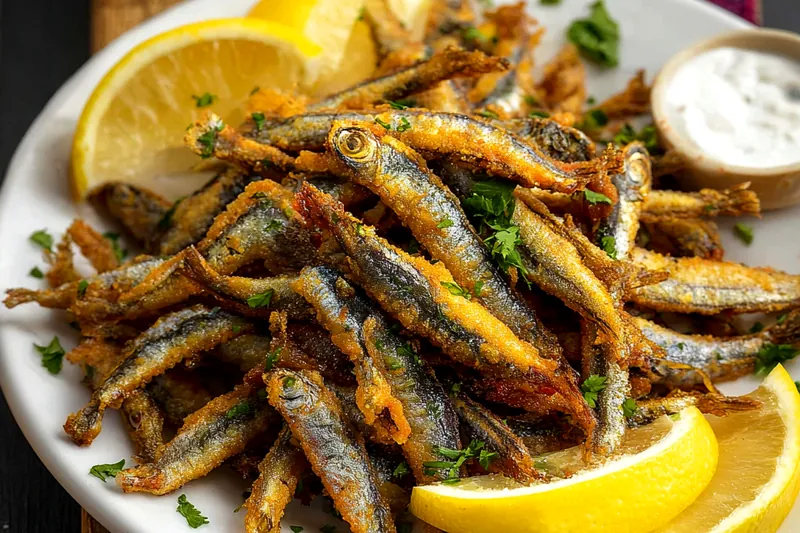
The success of Turkish fried anchovies depends entirely on the quality and freshness of the fish. Fresh anchovies should have bright, clear eyes, shiny silver skin, and smell like the ocean - never fishy or strong. The flesh should be firm to the touch and spring back when pressed gently.
In Turkey, hamsi (anchovy) season runs from fall through early spring, when the fish are at their plumpest and most flavorful. If you can't find fresh anchovies, look for whole frozen ones that have been properly handled - avoid pre-filleted or processed versions for this recipe.
Essential Ingredient Notes
- Anchovy Freshness: Choose anchovies with bright eyes, firm flesh, and no strong odor. If buying whole fish, they should have intact scales and no brown spots or sliminess.
- Flour Blend: The combination of all-purpose flour and fine cornmeal creates the perfect texture. Coarser cornmeal will be too gritty, while all flour won't be crispy enough.
- Turkish Sumac: Sumac provides the authentic tangy flavor that's essential to this dish. Look for it at Middle Eastern markets - it should be deep red and aromatic.
Mastering the Turkish Frying Technique
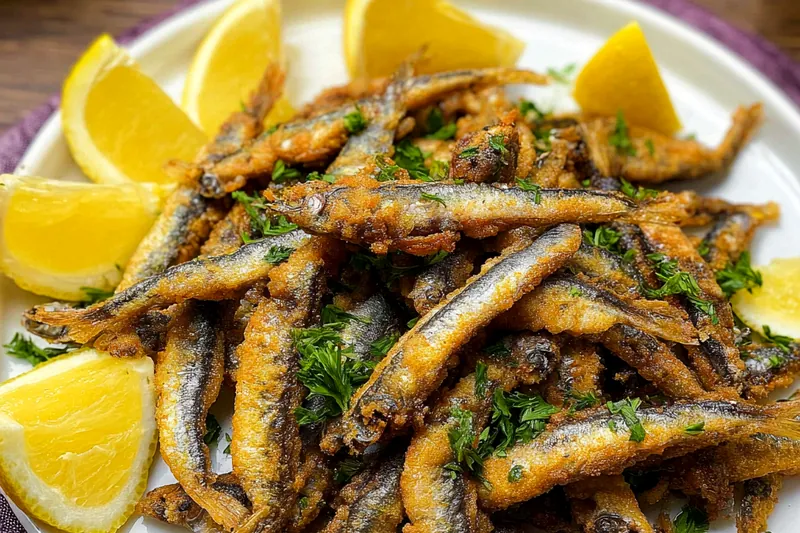
Traditional Turkish frying technique for hamsi emphasizes speed and high heat to preserve the delicate texture of the fish. The anchovies should hit the oil with a satisfying sizzle and cook quickly, developing a golden crust while the interior remains tender and moist.
The art lies in timing and temperature control. Too many fish in the oil at once will lower the temperature and result in greasy, soggy coating. Working in small batches ensures each anchovy gets the intense heat needed for that signature Turkish crispiness.
The Perfect Fry
Add fish to oil in a single layer, never overlapping. The oil should bubble vigorously around each fish. Turn only once if needed, and remove as soon as golden brown.
Crispy Turkish Fried Anchovies
📋 Ingredients
For the Anchovies and Coating
- 2 large lemons, cut into wedgesEssential for brightness and authenticity
- 1 large red onion, thinly slicedTraditional Turkish garnish
- 60g fresh parsley, choppedFor fresh flavor and color
- 2 tbsp sumacAuthentic tangy Turkish spice
- 4 Turkish pide bread or pitaFor scooping and serving
- Sea salt for finishingSprinkle while hot for best flavor
- Turkish teaTraditional beverage pairing
For Serving and Garnish
- 680g fresh anchovies, cleanedKey ingredient - must be very fresh
- 150g all-purpose flourMain coating component
- 60g fine cornmealAdds authentic crispy texture
- 2 tsp saltSeasons the coating
- 1 tsp paprikaAdds color and mild pepper flavor
- 500ml vegetable oilFor deep frying - neutral flavor essential
- 240ml whole milkHelps coating adhere to fish
Instructions
Prepare Anchovies
Rinse cleaned anchovies under cold water and pat completely dry with paper towels. Remove any remaining scales or fins. If anchovies are large, you can butterfly them by opening along the belly and removing the spine. Small ones can be left whole after cleaning.
Make Seasoned Coating
In a large bowl, combine flour, cornmeal, salt, black pepper, paprika, cumin, and cayenne pepper. Mix well to distribute spices evenly. Pour milk into a separate shallow bowl for dipping.
Heat Oil and Coat Fish
Heat oil in deep heavy-bottomed pan or deep fryer to 375°F (190°C). Working in small batches, dip anchovies briefly in milk, then dredge in seasoned flour mixture, shaking off excess. Don't overcrowd - prepare only what you'll fry immediately.
Fry Until Golden
Carefully add coated anchovies to hot oil in single layer. Fry 2-3 minutes until golden brown and crispy, turning once if needed. Remove with slotted spoon and drain on paper towels. Sprinkle immediately with sea salt while hot.
Serve Immediately
Arrange hot fried anchovies on serving platter. Garnish with fresh parsley, thinly sliced red onion, and sprinkle with sumac. Serve immediately with lemon wedges, warm pide bread, and Turkish tea for an authentic experience.
Recipe Notes & Tips
Authentic Serving Style
In Turkey, hamsi tava is typically served as part of a meze spread or as a casual meal with Turkish tea. The fish are eaten whole, bones and all, when they're small and properly fried.
Seasonal Availability
Fresh anchovies are seasonal (fall through early spring in most regions). When not available fresh, look for frozen whole anchovies at Mediterranean markets rather than jarred or canned varieties.
Cultural Context
This dish is especially beloved in Turkey's Black Sea region, where anchovies are a staple protein. It's often enjoyed as comfort food during cold months, paired with strong Turkish tea and good conversation.