Deep Hamburger Sausage
Rich and hearty deep hamburger sausage casserole with layers of ground beef, sausage, vegetables, and melted cheese. The ultimate comfort food for feeding a crowd.

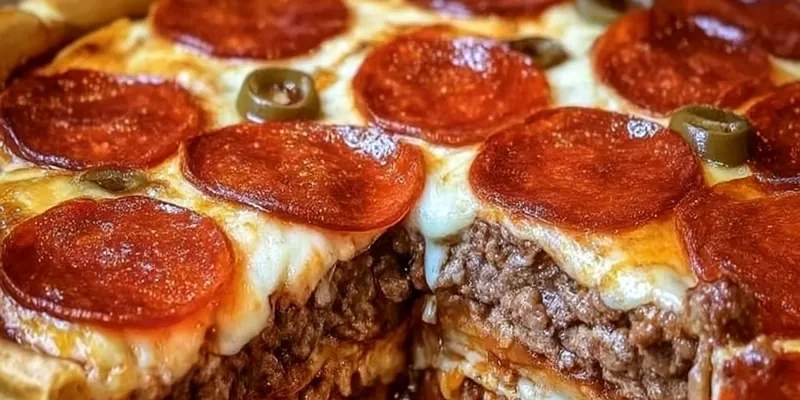
Building Layers of Flavor
The secret to exceptional hamburger sausage casserole lies in properly browning the meats and building a flavorful base. Taking time to achieve good caramelization on both the ground beef and sausage creates deep, rich flavors that permeate the entire dish. Don't rush this step - proper browning is the foundation of great taste.
The combination of ground beef and Italian sausage provides both substance and complexity. The beef offers hearty texture while the sausage contributes seasoning and richness. Using the rendered fat to sauté the vegetables ensures every component contributes to the overall flavor profile.
💡 Professional Tip
Don't overcook the pasta initially - it should be slightly underdone since it will continue cooking in the oven. This prevents mushy noodles in the final dish and maintains perfect texture throughout.
Frequently Asked Questions
Yes! Assemble the casserole completely, cover tightly, and refrigerate up to 2 days or freeze up to 3 months. If frozen, thaw overnight before baking. Add 10-15 minutes to baking time if starting from cold.
Penne, rigatoni, or rotini work great as they hold the sauce well. Avoid delicate shapes like angel hair. Cook any substituted pasta until just al dente for best results.
Absolutely! Try spicy Italian sausage for heat, or breakfast sausage for a different flavor profile. Turkey or chicken sausage work for lighter versions, though cooking times may vary slightly.
Cover with foil for most of the baking time, removing it only for the last 15 minutes to brown the top. If the cheese browns too quickly, tent with foil again.
Yes! Zucchini, corn, or spinach work well. Add hardy vegetables with the peppers, and delicate greens like spinach in the last few minutes of the meat mixture cooking time.
Reheat individual portions in the microwave, or cover the entire dish with foil and reheat at 350°F for 20-25 minutes. Add a splash of broth if it seems dry.
Yes, but cook the pasta separately and brown the meats first. Layer in slow cooker and cook on low for 3-4 hours. Add cheese in the last 30 minutes.
The casserole should be bubbling around the edges, the cheese melted and lightly golden, and a knife inserted in center should come out hot. Internal temperature should reach 165°F.
Recipe Troubleshooting Guide
Watery Casserole
Problem: Casserole turns out too watery or soupy
Solution: Drain vegetables well after cooking, don't skip draining the diced tomatoes, and ensure meat is properly browned. Let rest 10 minutes before serving to allow liquids to absorb.
Dry Texture
Problem: Casserole comes out dry and lacking moisture
Solution: Don't overcook pasta initially, add more broth or a can of cream soup to the meat mixture, and cover tightly with foil during most of baking time.
Burnt Top
Problem: Cheese on top burns before casserole is heated through
Prevention: Cover with foil and lower oven temperature to 350°F. Remove foil only for the last 10-15 minutes. Check oven rack position - it may be too close to the top.
Bland Flavor
Problem: Casserole lacks depth of flavor
Recovery: Season each layer - salt and pepper the meat, vegetables, and even the pasta cooking water. Don't skip the Worcestershire sauce and ensure spices are fresh.
Mushy Pasta
Problem: Noodles become overcooked and mushy
Prevention: Cook pasta 2-3 minutes less than package directions. The pasta continues cooking in the oven, so starting with slightly undercooked noodles is essential.
Flavor Balance Issues
Too Sweet: Add more black pepper or a splash of hot sauce
Too Salty: Add diced fresh tomatoes or a dollop of sour cream when serving
Bland: Increase garlic, herbs, and Worcestershire sauce; finish with fresh parsley
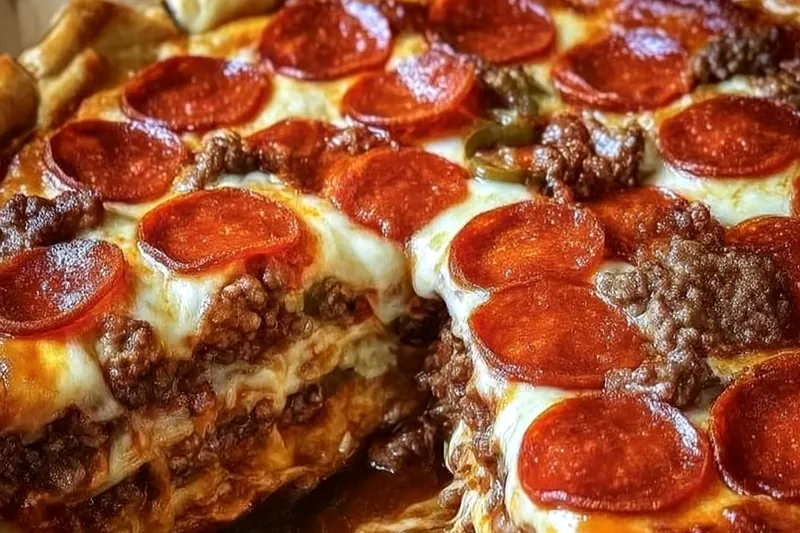
Selecting Quality Ingredients
Choose ground beef with an 80/20 fat ratio for the best balance of flavor and texture. Leaner beef will result in a drier casserole, while higher fat content can make it greasy. The fat content also helps bind the casserole and keeps it moist during the longer baking time.
Italian sausage quality makes a significant difference in the final dish. Look for sausage with visible herbs and spices, and avoid overly processed varieties. Fresh sausage from the butcher counter typically offers better flavor and texture than pre-packaged options.
Essential Ingredient Notes
- Ground Beef Quality: Choose 80/20 ground beef for optimal flavor and moisture. Avoid lean varieties as they'll create a dry casserole. Fresh ground beef should be bright red with minimal liquid in the package.
- Sausage Selection: Italian sausage with visible herbs and spices provides the best flavor. Sweet or spicy both work - choose based on your heat preference. Remove casings before cooking.
- Cheese Combinations: The cheddar-mozzarella blend provides both sharp flavor and good melting properties. Pre-shredded cheese works fine, but freshly grated melts more smoothly.
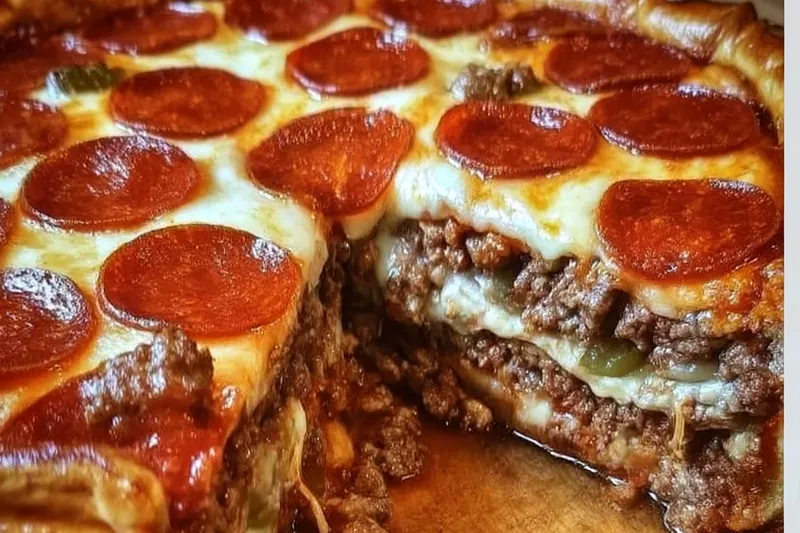
Mastering the Cooking Process
Proper browning technique is crucial for developing deep flavors. Don't overcrowd the pan when browning meat - work in batches if necessary. The goal is to achieve good caramelization, which creates the fond that adds richness to the entire dish when deglazed with broth.
Layering the casserole properly ensures even cooking and distribution of flavors. Each layer should be seasoned appropriately, and the cheese should be distributed evenly to create a cohesive dish that holds together when served.
Perfect Browning
Break up meat into small, uniform pieces and let them brown undisturbed for 2-3 minutes before stirring. This creates the deep, caramelized flavors that make this casserole exceptional.
Deep Hamburger Sausage
📋 Ingredients
For the Meat and Vegetables
- 340g wide egg noodlesCook until al dente for best texture
- 450g shredded cheddar cheeseSharp cheddar provides best flavor
- 225g shredded mozzarella cheeseCreates creamy, stretchy texture
- 240ml sour creamAdds tangy richness
- 180ml beef brothCreates moisture and depth
- 60ml tomato pasteConcentrates tomato flavor
- 60g fresh parsley, choppedFor fresh color and flavor
For Assembly and Topping
- 680g ground beef (80/20)Perfect fat ratio for flavor and moisture
- 450g Italian sausage, casings removedSweet or spicy, your preference
- 1 large onion, dicedCreates aromatic base
- 1 red + 1 green bell pepper, dicedAdds color, sweetness, and texture
- 225g mushrooms, slicedButton or cremini work well
- 400g diced tomatoes, drainedDrain well to prevent watery casserole
- Seasonings and aromaticsGarlic, Worcestershire, herbs, and spices
Instructions
Prepare Base
Preheat oven to 375°F (190°C). Cook egg noodles according to package directions until al dente. Drain and set aside. Grease a deep 9x13 inch baking dish or casserole dish.
Brown the Meats
In a large skillet, brown ground beef and sausage over medium-high heat, breaking up with a spoon, about 8-10 minutes. Remove meat and drain excess fat, reserving 2 tablespoons in pan.
Sauté Vegetables
In the same pan with reserved fat, sauté onion and bell peppers for 5 minutes until softened. Add garlic and mushrooms, cook 3 more minutes until mushrooms release moisture and begin to brown.
Create Sauce
Return meat to pan. Add tomato paste and cook 1 minute. Stir in diced tomatoes, beef broth, Worcestershire sauce, Italian seasoning, paprika, salt, and pepper. Simmer 5 minutes until slightly thickened.
Assemble and Bake
In prepared dish, layer half the noodles, half the meat mixture, and half the cheeses. Repeat layers. Cover with foil and bake 30 minutes. Remove foil, bake 15 more minutes until bubbly and golden. Rest 10 minutes before serving.
Recipe Notes & Tips
Make-Ahead
This casserole can be assembled up to 2 days ahead or frozen for up to 3 months. Thaw overnight if frozen, then bake as directed, adding extra time if needed.
Serving Suggestions
Serve with a simple green salad and crusty bread. The rich, hearty casserole pairs well with lighter sides to balance the meal.
Variations
Try adding corn, diced jalapeños for heat, or substitute different cheese combinations. Pepper jack adds spice, while Swiss creates a milder flavor profile.