Glazed Brown Sugar Soy Sauce Salmon
Tender salmon fillets with a sweet and savory glaze made from brown sugar, soy sauce, and garlic. Perfect balance of Asian flavors in 25 minutes.

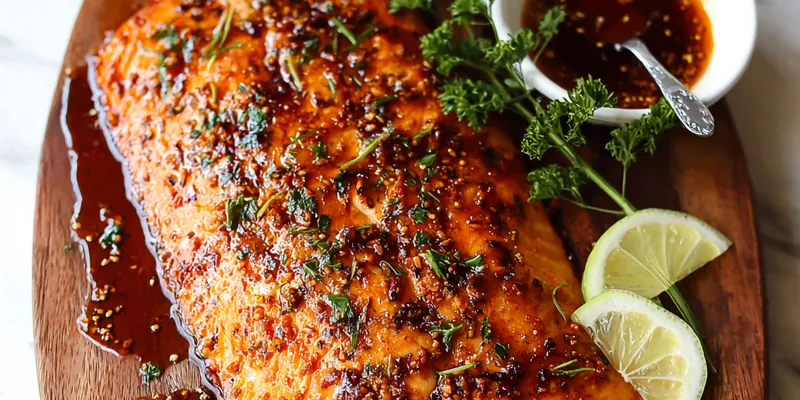
The Perfect Sweet and Savory Balance
This glazed salmon represents the harmony of flavors that defines excellent Asian cuisine. The brown sugar provides caramelization and sweetness, while the soy sauce delivers umami depth and saltiness. The rice vinegar adds brightness that prevents the glaze from being cloying, and the sesame oil contributes nutty richness.
The key to success lies in the glaze consistency and application timing. The cornstarch slurry creates a glossy coating that clings beautifully to the salmon, while the two-stage glazing process ensures maximum flavor penetration without burning the sugars during cooking.
💡 Professional Tip
Don't skip the cornstarch slurry - it's what creates that beautiful glossy coating that makes this salmon look restaurant-quality. Apply the first coat of glaze after searing to prevent burning the sugars.
Frequently Asked Questions
Both work perfectly! Skin-on fillets should be seared skin-side down first, then flipped. The skin helps protect the fish and can become crispy. Skinless fillets cook slightly faster.
Apple cider vinegar or white wine vinegar work as substitutes. Use slightly less as they can be more acidic than rice vinegar. Even lemon juice works in a pinch.
Yes! The glaze can be made up to 3 days ahead and refrigerated. Reheat gently before using, adding a splash of water if it becomes too thick.
Salmon is done when it flakes easily with a fork and reaches an internal temperature of 145°F (63°C). It should be opaque throughout but still moist in the center.
Absolutely! Grill over medium heat for 4-5 minutes per side, then brush with glaze in the final 2 minutes. Be careful as the sugars can burn quickly over direct heat.
The glaze is intentionally flavorful to complement the mild salmon. If you're sensitive to sodium, use low-sodium soy sauce and reduce the amount slightly.
Steamed rice, quinoa, roasted vegetables, or Asian-style coleslaw work beautifully. The sweet-savory flavors pair well with simple, clean sides.
Yes, but thaw completely first and pat very dry. Frozen salmon releases more moisture during cooking, which can dilute the glaze and prevent proper searing.
Recipe Troubleshooting Guide
Burnt Glaze
Problem: Glaze burns or becomes bitter during cooking
Solution: Heat was too high or glaze applied too early. Sear salmon first, then apply glaze. Use medium heat and watch carefully to prevent burning sugars.
Glaze Won't Stick
Problem: Glaze slides off salmon instead of coating
Solution: Ensure salmon is patted dry before cooking, and don't skip the cornstarch slurry which helps the glaze adhere. Apply glaze to hot fish for better adhesion.
Overcooked Salmon
Problem: Salmon is dry and flaky in a bad way
Prevention: Don't overcook - salmon continues cooking after removing from heat. Use a timer and check for doneness at minimum time. Internal temp should be 145°F (63°C).
Thin Glaze
Problem: Glaze is too thin and won't coat properly
Recovery: Make sure cornstarch is fully mixed with water before adding, and simmer long enough for the glaze to thicken. Add more cornstarch slurry if needed.
Uneven Cooking
Problem: Some parts of salmon are overcooked while others are underdone
Prevention: Use fillets of similar thickness, or fold thinner tail portions under. Don't overcrowd the pan, and ensure even heat distribution.
Flavor Balance Issues
Too Sweet: Add more soy sauce or rice vinegar to balance sweetness
Too Salty: Add more brown sugar or honey to balance saltiness
Bland: Increase garlic, ginger, or sesame oil - fresh aromatics make a big difference
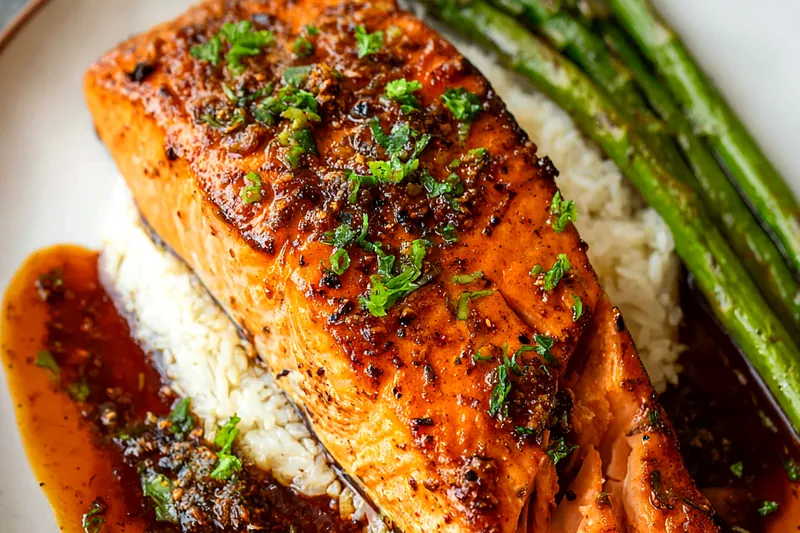
Selecting Quality Salmon
The foundation of this dish is high-quality salmon. Look for fillets with bright, firm flesh and a fresh ocean smell. The color should be vibrant - ranging from deep pink to orange-red depending on the variety. Avoid any fish with a dull appearance or strong fishy odor.
Fresh aromatics make a significant difference in the final flavor. The ginger should be firm with smooth skin and a spicy fragrance when grated. Fresh garlic should be plump and firm, while quality soy sauce and sesame oil provide the authentic base flavors that define this dish.
Essential Ingredient Notes
- Salmon Quality: Choose center-cut fillets of similar thickness for even cooking. Wild-caught salmon has firmer texture, while farm-raised is typically more tender and fatty.
- Soy Sauce Choice: Use regular soy sauce rather than dark or light varieties for this recipe. Low-sodium soy sauce works if you're watching salt intake, but may need flavor adjustment.
- Brown Sugar Type: Light or dark brown sugar both work, with dark providing slightly more molasses flavor. Pack it firmly when measuring for accurate sweetness levels.
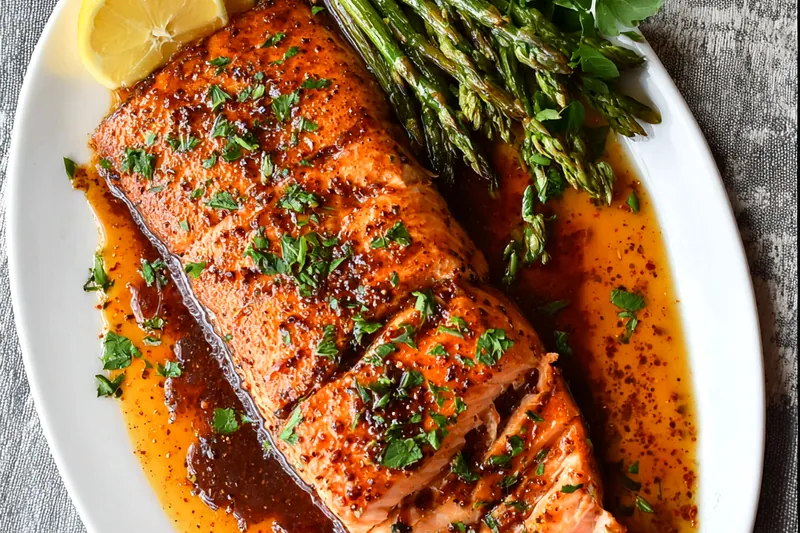
Mastering the Glazing Technique
The secret to perfect glazed salmon lies in the timing and temperature control. Searing the salmon first creates a golden crust and removes excess moisture, which helps the glaze adhere better. The glaze should be applied when the fish is hot but not over direct high heat to prevent burning.
The two-stage glazing process ensures maximum flavor without compromising the fish texture. The first application during cooking allows the flavors to penetrate, while the final brush of glaze provides that beautiful glossy finish that makes this dish so visually appealing.
Perfect Glaze Consistency
The glaze should coat the back of a spoon and be glossy. It will thicken more as it cools, so err on the side of slightly thin while cooking. The cornstarch slurry is key to achieving this texture.
Glazed Brown Sugar Soy Sauce Salmon
📋 Ingredients
For the Salmon
- 60ml soy sauceProvides umami depth and saltiness
- 60g brown sugar, packedCreates caramelization and sweetness
- 30ml rice vinegarAdds brightness and balance
- 15ml sesame oilContributes nutty richness
- 3 cloves garlic, mincedEssential aromatic element
- 2.5cm fresh ginger, gratedAdds warming spice
- 1 tbsp cornstarch + 2 tbsp waterCreates glossy coating
For the Brown Sugar Glaze
- 4 salmon fillets (170g each)Skin-on or skinless both work
- 15ml vegetable oilFor searing the salmon
- Salt and pepperFor seasoning fish
- 2 green onions, slicedFresh garnish and color
- 1 tbsp sesame seedsAdds texture and visual appeal
- 1 tsp red pepper flakesOptional heat element
Instructions
Prepare Glaze
In a small saucepan, whisk together soy sauce, brown sugar, rice vinegar, sesame oil, minced garlic, and grated ginger. Bring to a simmer over medium heat, stirring until sugar dissolves.
Thicken Glaze
Mix cornstarch and water to create a slurry. Add to the simmering glaze and cook for 1-2 minutes until thickened and glossy. Remove from heat and set aside.
Prepare Salmon
Pat salmon fillets dry and season lightly with salt and pepper. Heat vegetable oil in a large oven-safe skillet over medium-high heat.
Sear Salmon
Place salmon fillets in the hot skillet, skin-side up (if using skin-on). Sear for 3-4 minutes until golden brown. Flip and sear another 2-3 minutes.
Apply Glaze
Brush half the glaze over the salmon fillets. If your skillet is oven-safe, transfer to a 400°F (200°C) oven for 3-5 minutes, or continue cooking on stovetop until fish flakes easily.
Finish and Serve
Remove from heat and brush with remaining glaze. Garnish with sliced green onions, sesame seeds, and red pepper flakes if using. Serve immediately over rice or with vegetables.
Recipe Notes & Tips
Storage
Best served immediately for optimal texture. Store leftovers in the refrigerator for up to 2 days. The glaze can be made ahead and refrigerated for up to 3 days.
Serving Suggestions
Serve over steamed rice, quinoa, or with roasted vegetables. Asian-style slaw, edamame, or steamed broccoli make excellent sides that complement the sweet-savory flavors.
Variations
Try adding orange zest for citrus brightness, or substitute honey for brown sugar. For heat, add sriracha to the glaze. This technique works beautifully with other fish like cod or mahi-mahi too.