Rich, Velvety Tomato Soup
Rich, velvety tomato soup slow-cooked to perfection with cream and herbs. A cozy, comforting dish that pairs beautifully with grilled cheese or crusty bread.

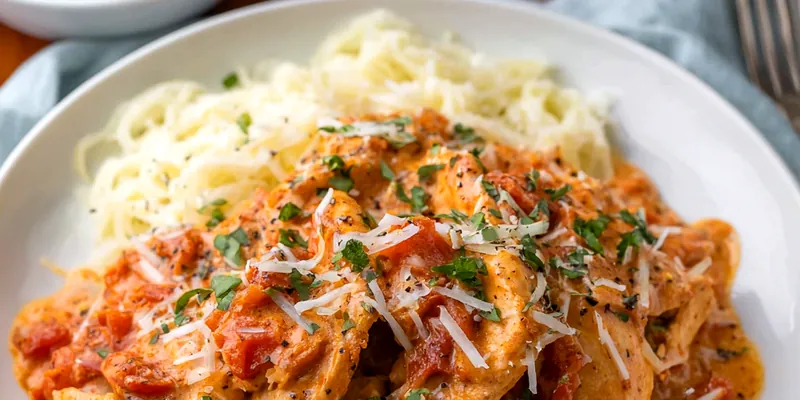
The Art of Slow-Cooked Tomato Soup
The secret to exceptional tomato soup lies in the slow development of flavors through gentle, prolonged cooking. This method allows the natural sugars in the tomatoes to concentrate and caramelize, while the herbs infuse deeply throughout the soup. The result is a complex, rich flavor that tastes like it's been simmering all day.
Using fresh, ripe tomatoes when possible creates the best flavor foundation, but quality canned tomatoes work beautifully too. The key is the long, slow simmer that breaks down the tomato cells completely, releasing their natural umami and creating that signature velvety texture that makes this soup so satisfying.
💡 Professional Tip
Don't rush the simmering process - the long, slow cook is what develops the deep, concentrated tomato flavor. If you're short on time, you can use a slow cooker on low for 4-6 hours instead.
Frequently Asked Questions
Yes! Use 2 (28 oz) cans of whole tomatoes, including their juice. San Marzano tomatoes provide the best flavor. Crush them by hand as you add them to the pot.
Substitute the heavy cream with coconut cream or cashew cream. You can also use unsweetened oat or almond milk thickened with a roux for creaminess without dairy.
Absolutely! Sauté the aromatics first, then transfer everything to a slow cooker. Cook on low for 6-8 hours or high for 3-4 hours. Add cream in the last 30 minutes.
Add a bit more brown sugar or a pinch of baking soda to neutralize acidity. The long cooking time usually mellows the acidity naturally, but some tomato varieties are more acidic than others.
Use an immersion blender for convenience, or blend in batches in a regular blender. For ultra-smooth soup, strain through a fine-mesh sieve after blending, pressing the solids with a spoon.
Yes, but freeze before adding the cream. Thaw completely, reheat gently, then stir in fresh cream. Dairy-based soups can separate when frozen, but this method prevents that issue.
Reheat gently over low heat, stirring frequently. Add a splash of broth or cream if it's too thick. Avoid boiling as this can cause the cream to curdle.
Add cooked rice, small pasta, or diced potatoes during the last 15 minutes of cooking. Serve with hearty accompaniments like grilled cheese or crusty bread with butter.
Recipe Troubleshooting Guide
Soup Too Thin
Problem: Soup lacks body and seems watery
Solution: Simmer uncovered for additional 15-30 minutes to reduce and concentrate. You can also add a slurry of cornstarch and water, or incorporate more tomato paste.
Soup Too Acidic
Problem: Soup tastes too tart or acidic
Solution: Add more brown sugar gradually, or a pinch of baking soda. Sometimes a pat of butter can also help mellow acidity. Taste as you adjust.
Cream Curdling
Problem: Heavy cream separates or curdles when added
Prevention: Remove soup from heat before adding cream, and add it slowly while stirring. If it does curdle, blend again with an immersion blender to re-emulsify.
Lacking Depth
Problem: Soup tastes flat or one-dimensional
Recovery: Ensure you're cooking the aromatics properly and using enough herbs. A splash of balsamic vinegar or Worcestershire sauce can add complexity.
Too Sweet
Problem: Soup is overly sweet from tomatoes or added sugar
Prevention: Add a splash of lemon juice or red wine vinegar to balance sweetness. A pinch of salt can also help balance flavors.
Flavor Balance Issues
Too Sweet: Add lemon juice, red wine vinegar, or a pinch of salt
Too Salty: Add more cream, a touch of brown sugar, or dilute with unsalted broth
Bland: Increase herbs, add garlic, or finish with fresh basil and good Parmesan

Choosing Perfect Tomatoes
The foundation of exceptional tomato soup starts with selecting the right tomatoes. When fresh tomatoes are in season, choose ripe, heavy tomatoes with deep color and slight give when gently pressed. Roma, San Marzano, or beefsteak varieties work beautifully for their rich flavor and lower water content.
During off-season, high-quality canned tomatoes often provide better flavor than out-of-season fresh ones. Look for whole tomatoes packed in juice rather than puree, as they typically have better texture and more concentrated flavor. San Marzano canned tomatoes are considered the gold standard for cooking.
Essential Ingredient Notes
- Tomato Selection: Choose ripe, heavy tomatoes in season, or high-quality canned whole tomatoes off-season. San Marzano varieties provide the sweetest, most balanced flavor.
- Cream Quality: Use heavy cream rather than half-and-half for the richest, most velvety texture. The higher fat content prevents curdling and creates luxurious mouthfeel.
- Herb Selection: While dried herbs work well for the long simmer, reserve fresh basil for finishing. The combination of cooked and fresh herbs provides layers of flavor.

Mastering the Slow-Cook Method
The slow-cooking process is what transforms ordinary ingredients into extraordinary soup. Starting with properly sautéed aromatics creates the flavor base, while the long, gentle simmer allows the tomatoes to break down completely and concentrate their natural sugars. This patience pays off with depth of flavor impossible to achieve with quick methods.
Maintaining the right temperature is crucial - a gentle simmer rather than a rolling boil prevents the soup from reducing too quickly and allows flavors to meld harmoniously. The partially covered pot strikes the perfect balance between concentration and moisture retention.
Perfect Simmering Technique
Maintain a gentle simmer with occasional bubbles breaking the surface. Cover the pot partially to allow concentration while preventing excessive evaporation. Stir every 20 minutes to prevent sticking.
Rich, Velvety Tomato Soup
📋 Ingredients
For the Soup Base
- 240ml heavy creamCreates the velvety texture
- 30g butterAdds richness and helps mellow acidity
- 60ml fresh basil, choppedBright, fresh finish
- Grated Parmesan cheeseFor serving and extra umami
- Crusty breadPerfect for dipping
- Grilled cheese sandwichesClassic pairing
For Finishing and Serving
- 1.8kg ripe tomatoes, cored and quarteredOr 2 large cans whole tomatoes
- 480ml vegetable brothLow-sodium preferred for control
- 1 large onion, dicedSweet or yellow onion work best
- 4 cloves garlic, mincedFresh garlic essential
- 60ml olive oilFor sautéing aromatics
- 30ml tomato pasteIntensifies tomato flavor
- Herb blend: basil, oregano, thyme, bay leavesClassic Italian herbs for depth
Instructions
Prepare Aromatics
Heat olive oil in a large heavy-bottomed pot over medium heat. Add diced onion and cook for 5-6 minutes until softened and translucent. Add minced garlic and cook for another minute until fragrant.
Add Tomatoes and Seasonings
Add quartered tomatoes, tomato paste, brown sugar, dried basil, oregano, thyme, bay leaves, salt, pepper, and red pepper flakes. Stir to combine and cook for 5 minutes, allowing tomatoes to start breaking down.
Slow Cook
Add vegetable broth and bring mixture to a boil. Reduce heat to low, cover partially, and simmer for 1 hour and 15 minutes, stirring occasionally. The tomatoes should be completely broken down and soup should be thick and rich.
Blend and Strain
Remove bay leaves. Using an immersion blender, blend soup until smooth, or transfer to a regular blender in batches. For ultra-smooth texture, strain through fine-mesh sieve, pressing solids with back of spoon.
Finish and Serve
Return soup to pot over low heat. Stir in heavy cream and butter until well combined. Taste and adjust seasoning. Serve hot garnished with fresh basil and grated Parmesan. Perfect with grilled cheese sandwiches or crusty bread.
Recipe Notes & Tips
Storage
Store in refrigerator for up to 5 days or freeze (before adding cream) for up to 3 months. Add cream when reheating for best texture and flavor.
Slow Cooker Method
After sautéing aromatics, transfer everything to slow cooker. Cook on low 6-8 hours or high 3-4 hours. Add cream in final 30 minutes.
Perfect Pairings
Classic with grilled cheese, but also wonderful with crusty sourdough, herb crackers, or a dollop of pesto. A drizzle of good olive oil elevates each bowl.